
Exercises for Joint Pain Relief and Recovery
Discover evidence-based movement strategies designed to enhance joint mobility, support healthy joints, and promote comfortable daily activity. Our comprehensive guide helps you understand how to move correctly and care for your joints through life.
Why Joint Care Matters
Enhanced Mobility
Improve your range of motion and flexibility through targeted, safe movement patterns designed for joint wellness.
Strength & Support
Build supporting muscles around your joints to provide stability and comfort during daily activities and exertion.
Healthy Habits
Learn proper posture, correct movement techniques, and lifestyle adjustments to support long-term joint health.
Expert Guidance
Access physiotherapist tips and evidence-based recommendations for maintaining joint wellness throughout your life.
Core Features of Our Approach
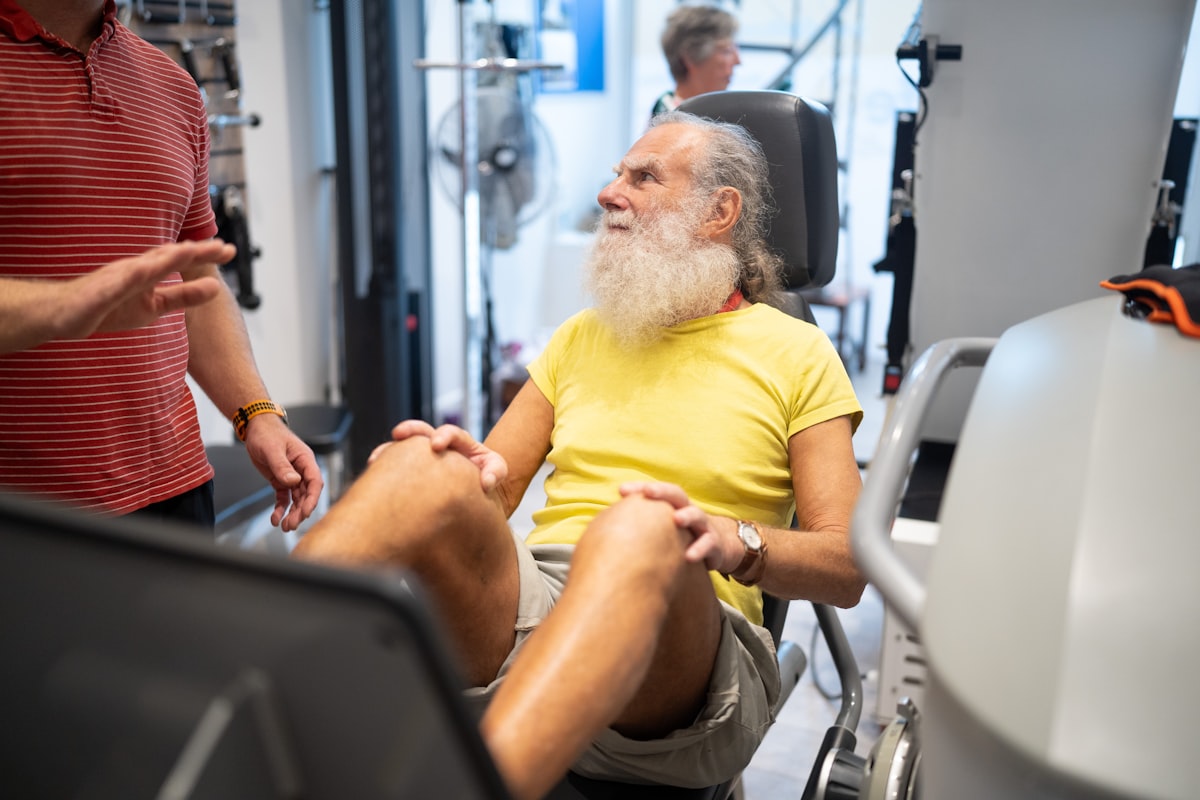
Safe Joint Warm-Up Techniques
Proper warm-up is essential for joint preparation. Our light joint warm-up protocols prepare your body for movement safely, increasing blood flow and synovial fluid circulation before more intense activity. These gentle routines help activate stabilizing muscles and improve your range of motion without excessive stress.
By starting each session with appropriate warm-up movements, you set the foundation for safer exercise throughout your day. Learn how to recognize which warm-up approaches work best for your body and lifestyle.
- Dynamic stretching sequences
- Gradual movement acceleration
- Joint-specific preparation routines
Correct Movement Patterns Throughout Your Day
How you move during everyday activities significantly impacts joint health. Proper posture when walking, sitting, and lifting protects your joints from unnecessary stress. Our educational content covers proper body mechanics during work, leisure, and exercise.
Understanding correct movement patterns helps prevent compensatory stress on joints and reduces discomfort over time. Small adjustments in how you carry yourself can have profound effects on long-term wellness.
- Ergonomic positioning guides
- Walking and gait optimization
- Lifting and carrying techniques


Movement During Sedentary Work
Extended sitting creates joint stiffness and muscular imbalances. Activity during sedentary work is crucial for maintaining mobility and preventing compensation patterns. Regular movement breaks, desk-based mobility exercises, and postural adjustments throughout your workday support ongoing joint wellness.
By incorporating simple, frequent movement intervals into your work routine, you maintain muscle engagement and preserve joint fluidity without requiring special equipment or extensive time commitments.
- Desk-friendly mobility routines
- Movement break schedules
- Seated and standing transitions
Nutritional Support for Active People
A healthy menu for active people includes nutrients that support tissue health, flexibility, and recovery. While exercise is essential, your diet significantly influences how your joints function and feel. Our nutrition guidance emphasizes whole foods, adequate hydration, and anti-inflammatory choices.
Combining movement with appropriate nutrition creates a foundation for sustainable joint wellness. Learn which foods support your activity level and how to structure meals around your exercise routine.
- Anti-inflammatory whole foods
- Hydration strategies
- Recovery nutrition timing

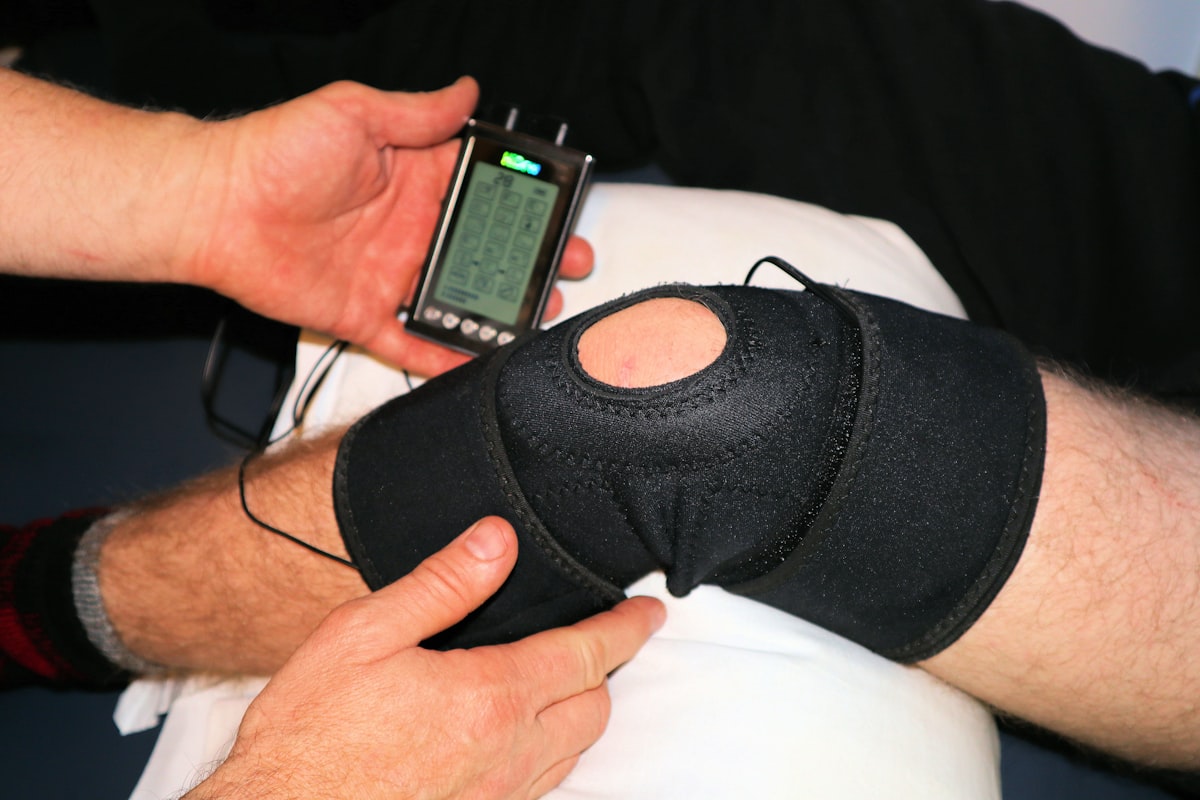
Joint Support During Exertion
When you exercise or perform physical tasks, your joints require proper support through appropriate technique, adequate warm-up, and gradual progression. Joint support during exertion means using correct form, listening to your body, and advancing intensity slowly to allow tissues to adapt.
Whether you're lifting weights, running, sports activities, or labor-intensive work, understanding how to protect your joints during demanding movement prevents cumulative stress and maintains long-term function.
- Progressive intensity increases
- Recovery and rest protocols
- Sport-specific joint protection
Exercise Categories & Difficulty Levels
Beginner: Mobility Focus
Gentle, low-impact movements designed to restore basic range of motion and introduce safe movement patterns. These exercises emphasize comfort and proper form without intensity demands.
- Light joint warm-up
- Static stretching sequences
- Basic mobility drills
- Breath awareness
Intermediate: Strength & Stability
Progressive exercises that build supporting muscle groups around joints. These movements incorporate controlled resistance and demand greater coordination while maintaining safety.
- Resistance exercises
- Balance and proprioception
- Dynamic stability work
- Functional movement patterns
Advanced: Performance & Prevention
Higher-intensity movements for those with established baseline fitness. These exercises integrate complexity, speed, and demanding coordination while maintaining joint protection strategies.
- Sport-specific movements
- Power and agility drills
- Complex coordination
- Injury prevention strategies
Your Path to Sustainable Joint Wellness
Assessment
Understand your current mobility level, daily habits, and activity patterns to identify areas for improvement.
Foundation Building
Begin with safe gymnastics and light joint warm-up exercises to establish proper movement foundations.
Progressive Development
Gradually increase movement complexity and intensity while maintaining proper technique and joint protection.
Long-Term Maintenance
Establish sustainable habits integrating movement, nutrition, and posture awareness into daily life.
Comparing Our Key Approaches
| Feature | Traditional Exercise | Joint-Focused Approach |
|---|---|---|
| Focus Priority | Strength and performance | Mobility and safe movement first |
| Warm-Up Emphasis | Brief and basic | Comprehensive light joint warm-up |
| Progression Rate | Rapid intensity increases | Gradual, respecting tissue adaptation |
| Daily Movement Guidance | Limited coaching | Detailed proper posture and technique instruction |
| Nutrition Integration | Basic sports nutrition | Comprehensive healthy menu for active people |
| Recovery Protocols | Standard rest days | Detailed joint support during exertion and recovery |
Frequently Asked Questions
Start by honestly assessing your current movement patterns and any limitations you experience. Beginner levels focus on establishing mobility and correct technique—this is appropriate if you have minimal movement experience or are returning after a period of inactivity. Intermediate levels suit those with basic fitness and mobility. Advanced levels are for individuals with established strength and coordination. Progress gradually between levels rather than jumping ahead, as proper foundation prevents future complications.
Consistency matters more than intensity. Daily gentle movement—even 10-15 minutes—provides better long-term results than sporadic intense sessions. Light joint warm-up before your day and brief activity breaks during sedentary work help maintain continuous mobility. Think of it as daily maintenance rather than a weekly appointment. Your body responds better to frequent, gentle stimulus than occasional aggressive exercise.
Yes. Most exercises can be performed using only your body weight and gravity. Many require no equipment at all. Some can benefit from simple additions like a chair, wall, or basic resistance band, but these are optional. The focus is on movement quality and consistency rather than sophisticated tools. This approach makes exercise accessible regardless of your location, time, or budget.
Proper walking posture includes: shoulders relaxed and level, spine neutral (not excessively curved), core gently engaged, head balanced over shoulders, eyes forward. Your stride should feel natural—not overly long or shortened. Land heel-first with a smooth weight transfer through your foot. Avoid excessive hip rotation or upper body motion. Many people unconsciously develop compensatory patterns; becoming aware of your natural walking mechanics prevents chronic stress on specific joints.
Aim for brief movement breaks every 30-60 minutes of sitting. These don't require leaving your desk—simple movements like standing, walking around, shoulder rolls, neck mobility, and gentle leg stretches activate different muscle groups and interrupt static positioning. Even 2-3 minutes makes a meaningful difference. Set a phone reminder to establish the habit. Consistency matters more than duration; frequent short breaks provide more benefit than occasional longer exercise sessions separated by extended inactivity.
Your healthy menu for active people influences how tissues function. Adequate hydration, whole foods rich in omega-3 fatty acids, colorful vegetables, lean proteins, and foods containing minerals like magnesium and calcium support your body's ability to handle the demands you place on it. Combined with appropriate movement, nutrition provides the resources your body needs for recovery and adaptation. Think of exercise and nutrition as complementary strategies rather than separate concerns.
Real Stories from Our Readers
After implementing the proper posture guidance and daily activity breaks suggested in the articles, I noticed my discomfort significantly decreased within weeks. The focus on consistent gentle movement rather than intense exercise really resonated with me, and I can finally sit at my desk without constant repositioning.
Marco Rossi
Milan, Italy